Arizona
Arizona's ESA stays as it is: Prop 212 falls short of the ballot, and Prop 145 falls with it
The state Supreme Court kept both ESA measures off the November ballot on the same day — one for signatures, one for stuffing too much into a single question. For a school with ESA families, that is quiet good news: the income cap and the new program mandates Prop 212 carried are off the table, your funded families stay funded, and the rules you run on today are the rules for this school year.
In short
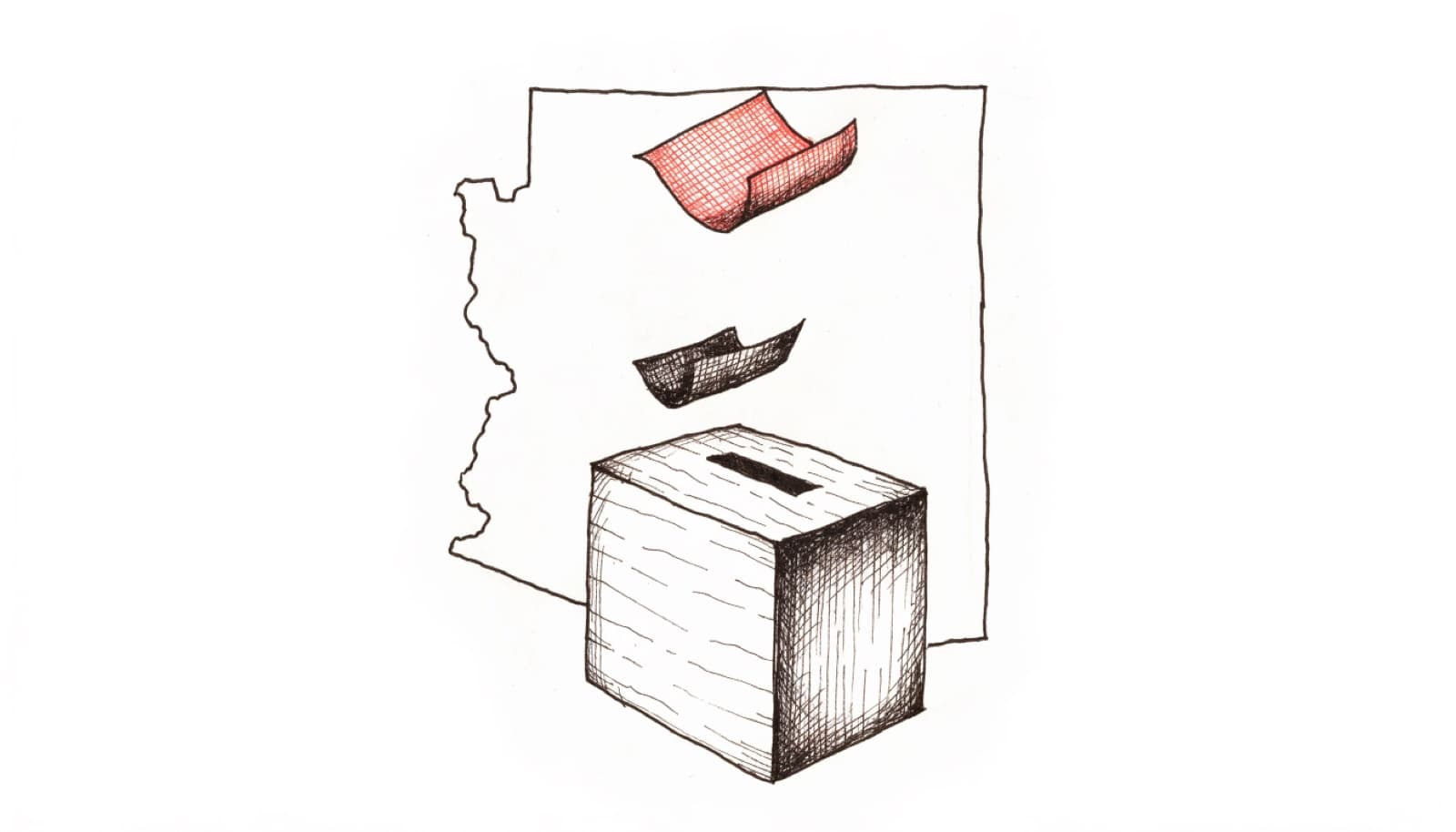
On August 18, 2026, the Arizona Supreme Court kept both ESA-related measures off the November ballot. Proposition 212 — an income cap on ESA eligibility plus testing, educator-fingerprinting, and unspent-funds rules — fell about 12,000 valid signatures short of the 255,949 required. Proposition 145, which would have written protection for voucher programs into the state constitution, was struck because its provisions did not belong together in a single ballot question. Arizona's ESA program runs unchanged for 2026–27.
What happened
Proposition 212 — the citizen initiative its backers called the Protect Education Act — would have rewritten how Arizona's Empowerment Scholarship Account program runs. Reporting on the measure describes an income cap ending ESA eligibility for households above $150,000, testing requirements for ESA students, fingerprint clearance for educators paid with ESA money, and authority for the state to take back unspent account funds. Its committee turned in 421,451 signatures in July; county recorders had 389,376 eligible ones to verify, against a constitutional floor of 255,949. Opponents of the measure sued over the signatures at once. The case that decided it, Clark v. Fontes, was filed by named plaintiff Jennifer Clark and fellow challengers against the Secretary of State, with the measure's sponsoring committee — Protect Education Accountability Now — defending its petition as the real party in interest.
On August 18 the state Supreme Court affirmed the trial court's way of counting: duplicate signatures removed the way the statute directs, then the county validity rate applied to what remains. The committee's proposed adjustments, the court wrote, would 'credit the petition with signatures the Legislature has directed be removed.' Under the affirmed method the petition cannot reach the threshold — the parties' own attorneys stipulated as much, one count putting it near 243,834, roughly 12,000 short — and the measure's backers have conceded it will not appear.
The same day, the court struck Proposition 145, which lawmakers had referred to the ballot through House Concurrent Resolution 2048 and which ran the other direction: its anchor provision let military families bank unused ESA money for college, but its reach extended to shielding voucher programs broadly from future laws. The court found the pieces too unrelated to stand together as one ballot question.
What Prop 212 would have meant for a school with ESA families
More of the measure pointed at school offices than the headlines suggested. The income cap is the revenue piece: a school whose ESA families include households above $150,000 would have seen that funding end, turning program money back into ordinary tuition receivable — the kind of enrollment math a school wants to see coming a year out. The testing and fingerprinting pieces are operational: assessments for ESA students and fingerprint clearance for the educators the program pays are duties that land on the people running the school, not on the state. And clawback of unspent funds changes how families treat their account balances, which is how it reaches your billing conversations. The measure's own text set the details, and with it off the ballot, none of them bind anyone this year.
What this changes on Monday
Nothing — which is worth saying out loud, because families will ask. The answer for an ESA family is a reassuring one: the program's rules for the 2026–27 school year are the rules that were in place when it started, no income cap is coming for their funding, and no new mandates arrive by ballot. For the office, the existing discipline is the whole job: ClassWallet invoice rules as they were, Arizona's quarterly receipt deadlines as they were, and no enrollment plan built on either measure passing or failing in some future year.
Common questions
Does this change how we invoice ESA purchases?
No. The program's payment platform, invoice rules, and Arizona's quarterly receipt-filing deadlines are exactly what they were before the rulings. If your office was handling ESA paperwork correctly in July, nothing about these decisions changes it.
Would Prop 212 have applied to our school directly?
Parts of it would have. The income cap applied to families — ESA aid ending for households over $150,000 — but student testing and educator fingerprint clearance are duties that would have landed on the schools and educators the program pays. The measure's text set the specifics; with it off the ballot, none of them take effect.
Is this the same fight as the federal scholarship tax credit?
No. Arizona's governor has separately vetoed three bills to opt the state into the federal § 25F scholarship tax credit — that is an election about a federal program, and it is unaffected by either ballot ruling. Arizona remains out of the federal program as of this writing.
Sources
Every figure on this page is read from the source linked below. Where no source could be found for a claim, the claim is not made.
- Arizona Supreme Court — Clark v. Fontes, No. CV-26-0274-AP/EL, decision order (filed Aug. 18, 2026)
- KJZZ — '2 Arizona school voucher measures won't be on the ballot after Supreme Court rulings' (Aug. 18, 2026)
- ABC15 Arizona — 'ESA reform measure Proposition 212 fails to make Arizona ballot' (Aug. 18, 2026)
- Arizona's Family — 'School voucher reform advocates admit defeat after Arizona Supreme Court ruling' (Aug. 18, 2026)
- KTAR News — 'ESA reform Prop 212 won't make Arizona voters' ballot, per a court ruling' (Aug. 18, 2026)